The London School of Massage offers professional massage training and complementary therapy courses.
Contact us to learn more about our courses, events, and industry news.
The London School of Massage offers professional massage training and complementary therapy courses.
Contact us to learn more about our courses, events, and industry news.
The Cupping Therapy Course at London School of Massage is a practical one-day course for qualified massage therapists and sports massage therapists who want to safely incorporate dry cupping into professional treatments.
Students learn how to use modern silicone cups to create controlled negative pressure, producing a lifting effect on the skin and underlying soft tissues. Training includes static cupping, flash cupping, moving cups and cupping massage techniques for common treatment areas.
The course explores how cupping may be used alongside massage to support soft-tissue mobility, address general muscular tension and provide an alternative method of working with areas that feel restricted or tight.
Students also learn how to select suitable cups, regulate suction, communicate with clients, recognise contraindications and manage the temporary marks that may follow cupping treatment.
This is a dry cupping course. It does not teach wet cupping, skin piercing or bloodletting.
Qualified practitioners interested in expanding their treatment skills can also explore London School of Massage’s full range of massage courses for qualified therapists.
Cupping therapy involves placing specially designed cups on the skin and creating negative pressure within the cup.
Unlike conventional massage techniques that generally compress or glide across the tissues, cupping creates a controlled lifting effect. Depending on the technique used, cups may remain stationary or be moved across lubricated skin as part of a massage treatment.
Modern cupping may be incorporated into massage and sports massage sessions for areas such as the:
The level of suction, treatment time and choice of technique must be adapted to the individual client.
Cupping provides qualified therapists with a different way of working with the soft tissues and can complement existing hands-on massage techniques.
The course can help therapists:
The course teaches cupping as a complementary treatment technique rather than as a substitute for medical assessment, diagnosis or treatment.
London School of Massage has provided professional massage and complementary therapy education since 1994.
Students benefit from:
The course is accredited by BCMA & IGCT. Further information about the school’s professional approvals is available on the London School of Massage accreditation page.
Students can also learn more about the school’s lecturers and professional experience on the Meet Our Team page.
The Cupping Therapy Course combines essential theory with supervised practical training in modern dry cupping and cupping massage.
Students work with silicone cups and learn how to create, regulate and release suction safely. The training covers different methods of applying cups and how these techniques may be integrated into an existing massage or sports massage treatment.
The practical training focuses on controlled application, client comfort and safe professional practice rather than applying excessive suction or attempting to create strong marks.
Course name: Cupping Therapy Course
Alternative course description: Cupping Massage and Dry Cupping Training
Suitable for: Qualified massage therapists and sports massage therapists
Study format: Classroom-based practical training
Course duration: One practical training day
Training method: Tutor demonstration, supervised paired practice and ongoing practical assessment
Cupping method: Modern dry cupping using silicone cups
Techniques covered: Static cupping, flash cupping, moving cups, cupping massage and integration with suitable massage techniques
Assessment: Continuous practical assessment during the course
Certification: Accredited course certificate following successful completion and demonstration of the required competence
CPD recognition: 7 CPD points
Course materials: Electronic course manual included
Training location: London School of Massage, subject to the selected course date
This is an in-person practical course and cannot be completed entirely through online study.
Classroom training allows students to:
Students must participate fully in the practical work and should expect to both give and receive cupping techniques during the training day.
Temporary circular marks or discolouration may occur following some cupping applications. Students should take this into consideration when booking their course date.
The course develops the theoretical understanding and practical skills required to safely integrate modern dry cupping into an existing massage or sports massage treatment.
Training includes cup selection, suction control, client consultation, contraindications, hygiene, treatment application and aftercare.
Students are introduced to:
Traditional theories are discussed within their historical and cultural context and are not presented as substitutes for modern medical diagnosis or healthcare.
Students learn:
Training covers:
The practical course focuses on modern silicone dry cupping. Fire cupping, wet cupping and invasive procedures are not taught.
Students learn how to:
Students practise how to:
Static cupping involves leaving one or more cups in a selected position for a controlled period.
Students learn how to apply and remove cups in a controlled repeated sequence.
Flash cupping may be used to:
Students practise how to:
Moving cupping is sometimes described as gliding cupping, sliding cupping or cupping massage.
Practical training may include suitable techniques for the:
Techniques are selected according to the client, the treatment area and the practitioner’s existing scope of practice.
Students learn how to incorporate cupping into a professional treatment rather than simply applying isolated cups.
Training includes:
Therapists may combine cupping with techniques from their existing massage qualification where these techniques remain within their competence and insurance cover.
Qualified practitioners may also consider related training in:
Where appropriate and within the therapist’s existing scope of practice, cupping may be combined with controlled movement or stretching.
Students are introduced to:
The course does not qualify students to diagnose or rehabilitate injuries.
Students learn when cupping should be avoided, postponed or adapted.
Considerations include:
This list is not exhaustive. Treatment decisions must be based on the individual consultation, the therapist’s professional scope and current contraindication guidance.
Cupping can produce temporary circular marks or changes in skin colour.
Students learn:
Cupping marks must not be described as toxins leaving the body or used as evidence of a medical diagnosis.
Training includes:
To receive the accredited course certificate, students must hold an eligible Ofqual-regulated Level 3 qualification in massage, sports massage or an accepted equivalent.
The qualification should include sufficient training in:
Suitable qualifications may include:
Applicants with international or alternative qualifications should send a copy of their certificate and course information to London School of Massage before booking.
A student without an eligible professional massage qualification may be permitted to attend for personal learning or professional development.
However, the student will receive a certificate of attendance rather than the accredited practitioner certificate.
Attendance alone does not qualify an untrained student to offer cupping therapy professionally.
Students intending to provide cupping treatments to the public should first complete an appropriate regulated massage qualification, such as the VTCT ITEC Level 3 Massage Course or an eligible Level 3 Sports Massage Course.
Students must:
Students should contact the school before booking if they have a medical condition, skin condition, recent injury or other concern that may affect their ability to receive cupping during classroom practice.
Students should check that their existing professional insurance covers cupping therapy before offering the treatment to clients.
Insurance requirements can vary between providers. Holding a course certificate does not automatically guarantee insurance cover.
Further guidance is available on the London School of Massage insurance information page.
There is no separate written or formal external examination.
Students are assessed continuously during the practical training day through:
Tutors provide correction and feedback throughout the course.
To successfully complete the course, students must demonstrate that they can:
A certificate is awarded only where the tutor is satisfied that the required standard has been achieved.
Eligible qualified therapists who successfully complete the course receive a Cupping Therapy course certificate accredited by BCMA & IGCT
Students who attend without an eligible massage qualification receive a certificate of attendance.
The course certificate confirms successful completion of professional continuing education. It is not an Ofqual-regulated diploma and does not replace a foundation massage qualification.
The course carries 7 CPD points.
Qualified therapists may use the training as part of their continuing professional development, subject to the individual requirements of their association, employer or insurer.
Students can view further professional training options through the school’s massage courses for qualified therapists.
Qualified therapists may use the skills learned to incorporate dry cupping into their existing professional treatments, subject to appropriate insurance and scope of practice.
Cupping may be offered:
The course is intended to enhance an existing massage practice rather than create a separate regulated professional qualification.
The course may be particularly relevant to:
Completion of the course does not qualify a therapist to:
Therapists must work within their existing qualifications, insurance and professional code of conduct.
After completing the Cupping Therapy Course, qualified therapists may progress to related training including:
Students can also view the complete range of massage and complementary therapy courses.
This course is designed for qualified massage therapists, Sports Massage Therapists and eligible bodywork practitioners who would like to add modern dry cupping techniques to their existing treatments.
To receive the accredited course certificate, students must hold an eligible Ofqual-regulated Level 3 qualification in Massage, Sports Massage or an accepted equivalent that includes Anatomy, Physiology and Pathology.
Anyone unsure about their eligibility should send London School of Massage a copy of their qualification before booking.
The course is primarily designed for qualified therapists because it builds on existing massage skills, client consultation knowledge and safe professional practice.
Students without an eligible massage qualification may be permitted to attend for personal learning or professional development but will receive a Certificate of Attendance rather than the accredited practitioner certificate.
Students learn how to safely integrate modern dry cupping into massage and Sports Massage treatments.
Training includes cup selection, suction control, static cupping, flash cupping, moving cups, cupping massage, client consultation, contraindications, hygiene, treatment planning and aftercare.
Students also learn how to combine cupping with suitable massage and stretching techniques while remaining within their existing professional scope
There is no separate written examination or formal external practical examination.
Students are assessed continuously throughout the training day through supervised practice, tutor observation and individual feedback.
To complete the course successfully, students must demonstrate safe cup selection and placement, suction control, removal, hygiene, client communication and appropriate integration with massage.
Students usually work in pairs, taking turns to practise and receive treatments, so there’s no need to bring a model.
You should be prepared to both give and receive dry cupping during the day, and temporary marks may occur.
Further information would be provided after purchasing and joining the course.
Students who intend to offer assisted stretching professionally will need access to a suitable massage couch and treatment supplies.
All massage equipment is provided during the course.
If you plan to offer Cupping Therapy professionally afterwards, you’ll need to invest in a suitable cupping set and a massage medium for moving-cup techniques.
You’ll receive guidance during the course on choosing equipment that can be properly cleaned, disinfected and maintained between clients.
Advance Your Massage Skills with Therapeutic Assessment, Advanced Techniques and Individualised Treatment Planning
Advanced Sports Massage Assessment and Treatment Qualification
Develop safe spinal assessment, articulation and mobilisation skills through two days of supervised practical training.
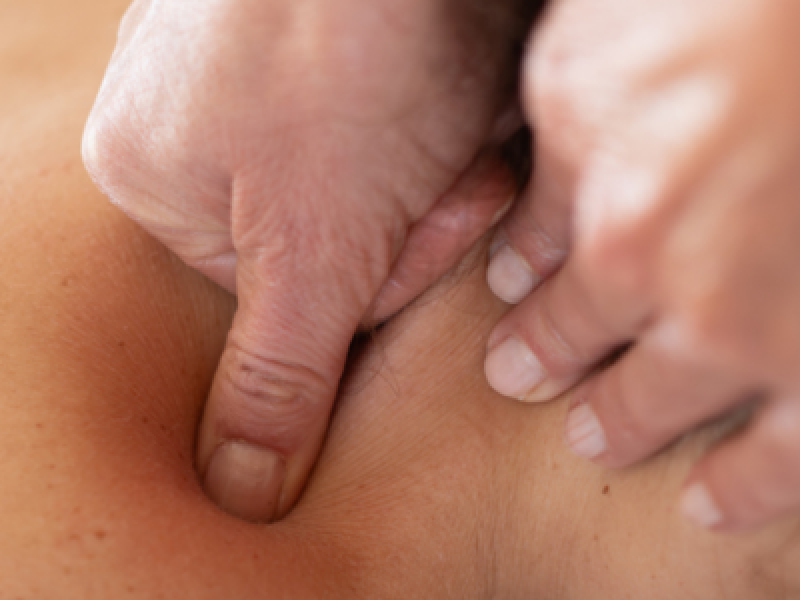
Train in Trigger Point Therapy, Neuromuscular Technique and applied stretching through practical hands-on training.


 Search...
 Introduction
 Course Overview & Study Options
 FAQ
FAQ
 Course Dates and Bookings
