
The London School of Massage offers professional massage training and complementary therapy courses.
Contact us to learn more about our courses, events, and industry news.
The London School of Massage offers professional massage training and complementary therapy courses.
Contact us to learn more about our courses, events, and industry news.
The one-day Kinesiology Taping course at London School of Massage provides practical K-Tape training for qualified massage therapists, sports massage therapists and eligible healthcare or bodywork professionals.
Kinesiology taping, also known as K-Taping, uses flexible elastic tape that moves with the body. Students learn how to prepare the skin, cut and handle the tape and select an appropriate direction, position and level of tension for different applications.
The course combines theory, tutor demonstrations and supervised partner practice. Students receive ongoing feedback on safe application, client positioning, tape tension, contraindications and professional aftercare.
Training is delivered by experienced tutors with professional knowledge of massage, sports massage, anatomy, movement and safe therapeutic practice.
| Course name | Kinesiology Taping Course |
| Alternative name | K-Taping Course |
| Course type | Accredited Continuing Professional Development course |
| Course duration | One day |
| Suitable for | Qualified massage therapists, sports massage therapists and eligible healthcare or bodywork professionals |
| Entry qualification | Recognised Level 3 qualification in Massage, Sports Massage or an accepted equivalent |
| Study format | Face-to-face practical classroom training |
| Practical training | Preparation, cutting, tension, direction and application of elastic kinesiology tape |
| Theory training | Taping principles, tape properties, contraindications, skin safety and professional application |
| Course materials | Digital course materials and electronic certificate |
| Assessment | Ongoing practical assessment throughout the course |
| Formal examination | No separate written or external practical examination |
| Certification | Accredited London School of Massage CPD certificate, subject to meeting the required practical standard |
| Accreditation | BCMA and IGCT |
| CPD points | 7 CPD points |
| Professional use | Integration into an existing insured massage, sports massage or healthcare practice |
| Training location | London School of Massage, according to the selected course date |
| Progression | Sports Massage, Trigger Point and Stretch Massage Therapy, Dynamic Assisted Stretching and advanced massage training |
| Booking | Students can enrol through the Kinesiology Taping course page |
Kinesiology tape is a flexible therapeutic tape designed to move with the skin rather than rigidly restrict a joint.
This practical K-Taping course teaches students how to apply tape safely and professionally within their existing scope of practice. Tutors demonstrate each application before students practise in pairs and receive individual correction.
The course covers:
The course is suitable for qualified:
Students who do not yet hold a professional massage qualification should first consider the VTCT (ITEC) Level 3 Diploma in Massage or the Level 3 Sports Massage Course for Beginners.
Qualified practitioners can also explore the wider range of massage courses for qualified therapists.
Kinesiology taping uses flexible elastic tape and is different from rigid sports taping or strapping, which is generally applied to restrict or control movement.
This course focuses on elastic kinesiology tape. It does not provide comprehensive training in rigid joint strapping or pre-competition sports taping.
The course develops the knowledge and practical skills required to apply kinesiology tape safely, accurately and within an appropriate professional scope.
Students learn:
Practical training includes:
Students practise applications for common areas such as:
Exact applications may vary according to the course plan and the professional scope of the students attending.
Students learn:
Kinesiology taping should be used as a supportive technique and not presented as a cure or standalone treatment for injury or disease.
Students should hold a recognised Level 3 qualification in:
The qualification should include suitable knowledge of Anatomy, Physiology and Pathology.
Applicants must also:
Students without an eligible qualification may attend only with prior approval and may receive a certificate of attendance rather than the accredited practitioner CPD certificate.
Anyone unsure about eligibility should contact London School of Massage and provide a copy of their qualification before booking.
Students practise taping applications on one another during the course.
Anyone with known adhesive allergies, highly sensitive skin, active skin conditions or another concern that may affect participation should contact the school before enrolling.
Students should follow the joining instructions regarding clothing, skin preparation and practical participation.
There is no separate written examination or external practical examination.
Assessment takes place continuously throughout the training day through:
Students must demonstrate the required practical competence before the accredited CPD certificate is awarded.
Successful students receive a London School of Massage Kinesiology Taping CPD certificate.
The course is accredited by BCMA and IGCT and carries 7 CPD points. Further information about the school’s professional organisations is available on the Accreditations and Approvals page.
This is an accredited CPD course rather than an Ofqual-regulated qualification. Students must hold a suitable underlying professional qualification and obtain appropriate therapist insurance before using kinesiology taping commercially.
Qualified therapists may incorporate kinesiology taping into an existing insured practice where it falls within their qualifications, competence and professional scope.
K-Taping may complement work in:
Practitioners should assess whether taping is appropriate, obtain informed consent and provide clear skin-care and removal advice.
Course completion does not qualify students to diagnose injuries, provide rehabilitation or make medical claims unless they hold separate qualifications that permit this.
Suitable progression options include:
Students can also review the complete Sports Massage training pathway.
This course is ideal for qualified massage therapists, Sports Massage Therapists and eligible healthcare or bodywork professionals who would like to add kinesiology taping to their existing practice.
Students should hold a recognised Level 3 qualification in Massage, Sports Massage or an accepted equivalent that includes suitable Anatomy, Physiology and Pathology knowledge.
No. This is a CPD course for qualified therapists. Students should hold a recognised Level 3 Massage qualification or equivalent before attending, as kinesiology taping requires a sound understanding of anatomy, muscles, joints and contraindications.
You’ll learn how to prepare, cut and apply elastic kinesiology tape safely and confidently.
The training covers tape properties, skin preparation, application shapes, direction, positioning, tension, contraindications, client consent, removal and aftercare.
You’ll also practise applications for common areas including the neck, shoulders, back, arms, wrists, hips, thighs, knees, calves, ankles and feet.
There is no separate written exam or external practical examination.
Instead, you’ll be assessed throughout the training day through supervised practice, tutor observation and individual feedback.
You’ll need to demonstrate safe skin preparation, accurate cutting and handling, suitable position, direction and tension, effective client communication and safe tape removal before the accredited CPD certificate is awarded.
No. Students usually work in pairs and take turns applying and receiving kinesiology tape, so you do not need to bring a separate model.
You should be prepared to have tape applied to different areas of the body during the practical training. Comfortable clothing that allows easy access to areas such as the shoulders, back, arms and legs is recommended.
London School of Massage provides the kinesiology tape and equipment required during classroom training.
If you plan to use kinesiology taping professionally after the course, you’ll need to purchase suitable professional tape, scissors and basic skin-preparation supplies.
Guidance is provided on tape handling, safe storage, application and removal so you can select appropriate products for your practice.
Kinesiology tape is designed to move with the body while providing gentle sensory feedback to the skin and soft tissues. It may support proprioception, movement awareness, postural cueing and comfort when applied appropriately by a trained therapist.
The previous LSM Kinesiology Taping course was listed as CMA and IGCT accredited. Students should check the current course page and confirm insurance requirements before using kinesiology taping professionally.

Advanced Sports Massage Assessment and Treatment Qualification
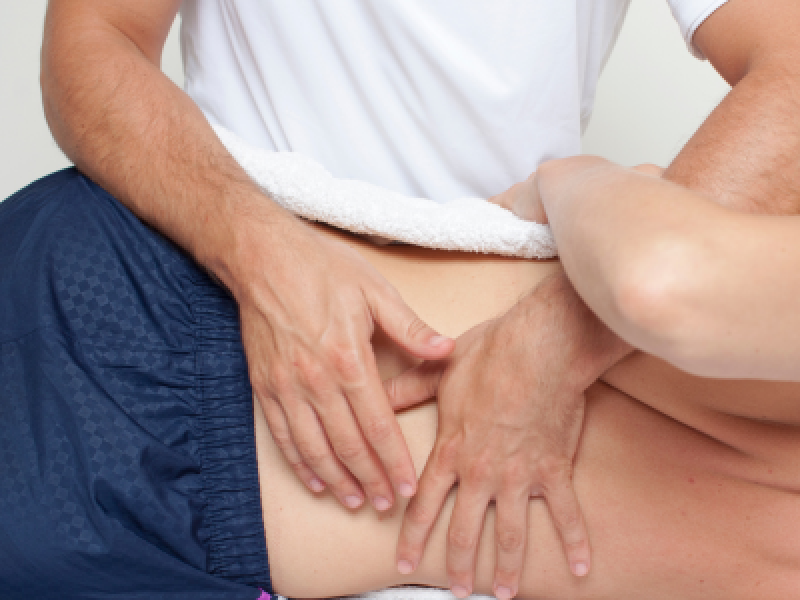
Develop safe spinal assessment, articulation and mobilisation skills through two days of supervised practical training.
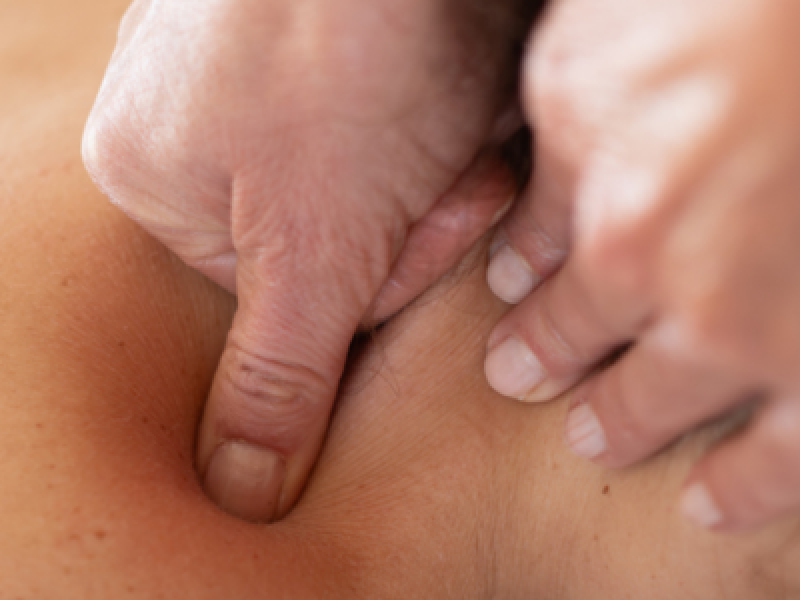
Train in Trigger Point Therapy, Neuromuscular Technique and applied stretching through practical hands-on training.
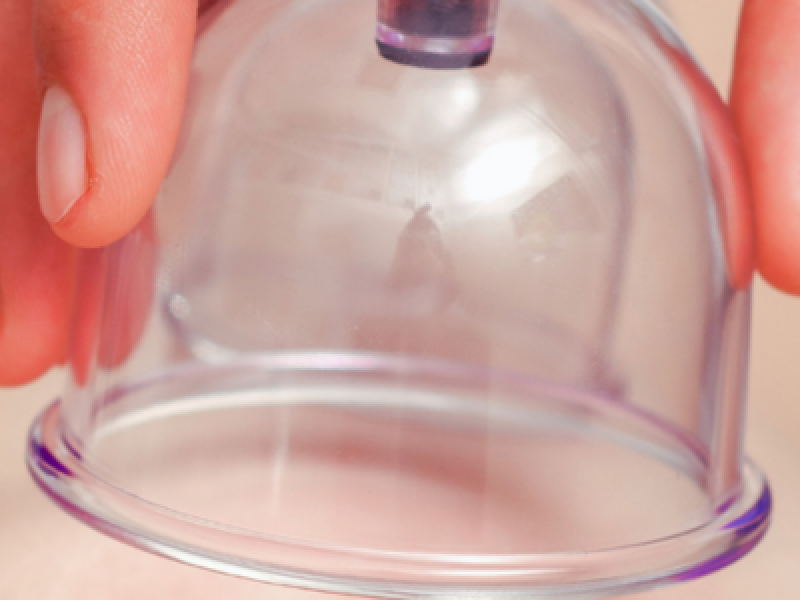
Learn safe, practical dry cupping and cupping massage techniques to integrate into professional massage and sports massage treatments.


 Search...
 Introduction
 Course Overview & Study Options
 FAQ
FAQ
 Course Dates and Bookings