
The London School of Massage offers professional massage training and complementary therapy courses.
Contact us to learn more about our courses, events, and industry news.
The London School of Massage offers professional massage training and complementary therapy courses.
Contact us to learn more about our courses, events, and industry news.
Qualification Code: QAN 603/4094/0
This Reflexology Diploma course is open to those who hold a Diploma and/or Certificate in Anatomy, Physiology & Pathology (Level 3 RQF or above) within the last 3 years.
A fast-track intensive course, it is offered via hybrid learning with a blend of online and practical classes.
You will learn the principles of reflexology, a holistic therapy based on the idea that the feet and hands contain reflex zones that correspond to all the organs and systems of the body. Through careful observation and mapping of these reflex areas, you’ll develop the skills to identify imbalances and apply specific techniques to stimulate the body’s natural healing processes. By working on these reflex points, reflexology helps to restore balance, reduce stress and support overall health and wellbeing.
View our Reflexology course training flow chart to see exactly how you can progress from your first class to earning your ITEC diploma award in Reflexology - opening opportunities to work in spas or wellness centres or start your own holistic therapy practice.
 CLICK HERE TO SEE A FLOW CHART FOR PROGRESSION IN THIS REFLEXOLOGY COURSE
This course provides beginners with the practical skills, underpinning knowledge and professional competencies required to work as qualified Reflexologists.
| Course Name | VTCT (ITEC) Level 3 Diploma in Reflexology |
| Qualification Level | Level 3 RQF |
| Awarding Organisation | VTCT (ITEC) |
| Qualification Number | 603/4094/0 |
| Suitable For | Beginners with no previous Reflexology or massage qualification |
| Study Format | Blended learning with theory, practical classroom training, assignments and case studies |
| Practical Training | Reflexology consultation, foot assessment, reflex mapping and complete treatment routines |
| Theory Training | Anatomy, physiology, pathology, professional practice and Reflexology theory |
| Assessment | Practical assessment, theory examinations, assignments, case studies and treatment evidence |
| Training Location | London School of Massage, subject to the selected course option |
| Progression | Professional practice, advanced Reflexology training and other complementary therapy qualifications |
The beginner programme includes both the professional Reflexology qualification and the supporting anatomy, physiology and pathology knowledge required at Level 3.
Learning is delivered through a combination of:
The blended structure allows students to develop knowledge away from the classroom while preserving valuable face-to-face training for practical Reflexology skills.
Students can learn more about the school’s recognised qualifications through our Accreditations and Approvals page.
Students will study:
Students will develop an understanding of:
Practical training includes:
Students will learn how to:
The course also covers:
Yes. This course is specifically structured for beginners who do not already hold a recognised Level 3 qualification in Anatomy, Physiology and Pathology.
No previous Reflexology, massage or complementary therapy experience is required.
Applicants should:
An English-language ability broadly equivalent to IELTS Level 6–7 is recommended for overseas students because the course includes theory examinations, written assignments and professional terminology.
Students who already hold a suitable Level 3 qualification in Anatomy, Physiology and Pathology should enrol on the Reflexology course for qualified therapists rather than repeating the beginner theory route.
Prospective students comparing different professional entry routes can also explore our wider range of massage and complementary therapy courses for beginners.
Assessment is completed through a combination of theory, practical work and evidence of professional treatment practice.
Depending on the requirements of the qualification, students may complete:
Students receive guidance throughout the programme to help them prepare for each assessment requirement.
Students who successfully complete all course requirements and assessments will receive the:
VTCT (ITEC) Level 3 Diploma in Reflexology
This is an Ofqual-regulated qualification on the Regulated Qualifications Framework and is recognised within the UK complementary therapy sector.
After qualifying, graduates can normally obtain suitable professional insurance and apply for membership of relevant professional organisations. Students should always confirm the requirements of their preferred insurer, employer or professional association.
Further information is available on the London School of Massage Insurance for Students and Therapists page.
Completing the VTCT (ITEC) Level 3 Diploma in Reflexology can allow graduates to begin professional practice as qualified Reflexologists.
Depending on personal goals, experience and local requirements, qualified Reflexologists may:
The qualification does not guarantee employment or business income. Successful practice also requires professional insurance, appropriate business planning, ethical conduct and ongoing skill development.
After qualifying, students may continue developing their professional practice through other recognised complementary therapy or massage courses.
Possible progression routes include:
Students can view related qualifications within the Complementary Therapy Courses section.
Yes. This course is specifically designed for complete beginners, and no previous reflexology, massage or complementary therapy qualification is required. The programme includes the Anatomy, Physiology and Pathology knowledge, Reflexology theory and practical training required to begin working towards a professional Reflexology qualification.
Successful students receive the VTCT (ITEC) Level 3 Diploma in Reflexology, qualification number 603/4094/0. It is an Ofqual-regulated qualification on the Regulated Qualifications Framework and is recognised within the UK complementary therapy sector.
Students learn the principles and history of Reflexology, the structure of the feet, reflex maps and zones, client consultation, foot assessment, contraindications, treatment planning and professional practice.
Practical training includes thumb-walking and finger-walking techniques, relaxation and mobilisation methods, appropriate pressure and rhythm and the delivery of a structured professional Reflexology treatment.
Yes. The beginners’ pathway includes Level 3 Anatomy, Physiology and Pathology because students require an understanding of the body systems, common conditions, contraindications and red flags before practising professionally.
Students who already hold a suitable recent Level 3 Anatomy, Physiology and Pathology qualification should consider the shorter VTCT (ITEC) Reflexology Course for Qualified Therapists.
The practical and theory training is delivered through a fast-track blended-learning programme over seven scheduled training days, normally spread across approximately two to three months.
Students must also complete home study, written assignments, examinations, case studies and treatment evidence. The overall qualification time will therefore depend on how quickly all course and assessment requirements are completed.
Assessment includes Anatomy, Physiology and Pathology examinations, Reflexology theory assessment, written assignments, client consultations, treatment plans, case studies and practical treatment assessment.
Students must demonstrate safe technique, accurate identification of reflex areas, appropriate treatment planning, professional conduct and the ability to adapt a Reflexology treatment to the individual client.
London School of Massage provides the professional treatment couches during practical training.
Students normally work with one another in class, taking turns to practise and receive Reflexology treatments. Students must arrange suitable adult clients for their case studies and bring their own suitable adult model on the day of the final practical examination.
Yes. Reflexology classes are open to all genders, and students normally work in pairs during practical training, taking turns to practise and receive treatment.
Professional conduct, appropriate positioning, privacy and student dignity are maintained throughout.

Complete professional Aromatherapy training for students with no previous massage or complementary therapy qualification.
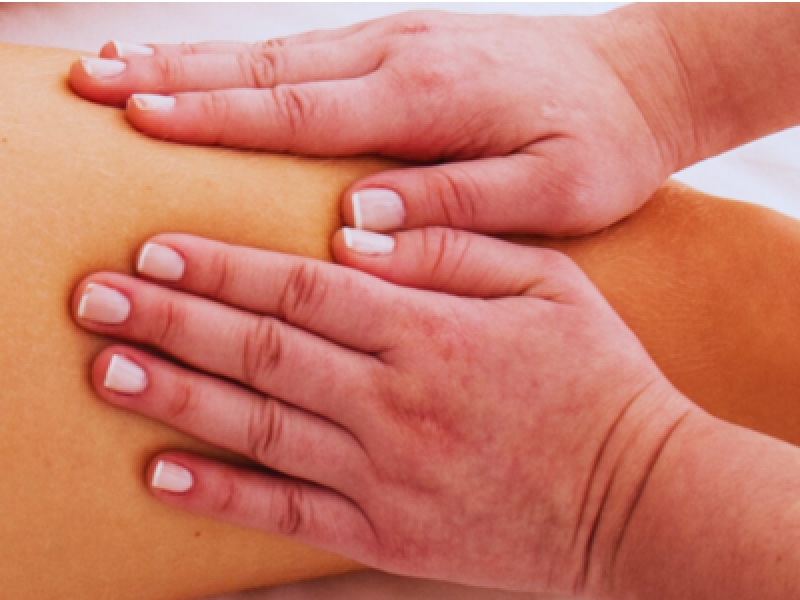
Learn safe, precise Manual Lymphatic Drainage techniques through practical professional training.


 Search...
 Introduction
 Course Overview & Study Options
 FAQ
FAQ
 Course Dates and Bookings