
The London School of Massage offers professional massage training and complementary therapy courses.
Contact us to learn more about our courses, events, and industry news.
The London School of Massage offers professional massage training and complementary therapy courses.
Contact us to learn more about our courses, events, and industry news.
The Cellulite Massage course at London School of Massage provides practical training for qualified massage therapists, sports massage therapists and eligible beauty or aesthetic practitioners.
Also known as Massage for Cellulite or Anti-Cellulite Massage, the treatment uses targeted manual techniques including gliding, kneading, rolling, lifting, friction and percussion on areas commonly affected by cellulite.
Students learn how cellulite develops, how to assess client suitability and how to structure safe full and targeted treatment routines. Training includes consultation, contraindications, realistic treatment planning, progress records and professional aftercare.
The course is delivered through tutor demonstrations, supervised partner practice and ongoing practical assessment.
Important: Cellulite is a common structural feature of the skin and underlying tissues. Massage may temporarily affect tissue appearance but cannot permanently remove cellulite or body fat.
| Course name | Massage for Cellulite and Anti-Cellulite Massage Course |
| Primary search name | Cellulite Massage Course |
| Course type | Accredited Continuing Professional Development course |
| Suitable for | Qualified massage therapists, sports massage therapists and eligible beauty or aesthetic practitioners |
| Entry qualification | Recognised Level 3 RQF qualification in Massage or an accepted equivalent |
| Training format | Face-to-face practical classroom training |
| Practical training | Gliding, kneading, rolling, lifting, friction, percussion and structured cellulite massage routines |
| Theory training | Cellulite structure, classifications, consultation, contraindications and treatment planning |
| Treatment areas | Thighs, hips, gluteal area, abdomen, arms, legs and back |
| Course materials | Electronic coursebook and certificate |
| Assessment | Ongoing practical assessment |
| Formal examination | No separate written or external practical examination |
| Accreditation | BCMA and IGCT |
| CPD points | 7 CPD points |
| Professional use | Integration into an existing insured massage, beauty or aesthetic practice |
| Progression | Wood Therapy, Brazilian Lymphatic Drainage, Manual Lymphatic Drainage and Cupping Therapy |
| Booking | Students can enrol through the Cellulite Massage course page |
Cellulite Massage uses targeted manual techniques to work with the skin and superficial soft tissues in areas where cellulite is visible.
Students train in:
The course is suitable for qualified:
Students without an eligible massage qualification should first train through the VTCT (ITEC) Level 3 Diploma in Massage.
Qualified practitioners can also explore the school’s massage courses for qualified therapists.
Cellulite Massage is sometimes described as anti-cellulite or body-contouring massage.
These terms describe the focus of the treatment but should not be used to guarantee:
Any visible change following treatment is likely to be temporary and will vary between clients.
The course develops the practical skills required to provide safe, structured and professionally applied Cellulite Massage treatments.
Students learn:
Practical training includes:
Treatment should feel controlled and purposeful but should not cause excessive pain or avoidable bruising.
Students practise techniques for areas such as the:
Training includes full treatment sequences and shorter targeted routines.
Students learn:
Training covers:
Students should hold a recognised Level 3 RQF qualification in:
The qualification should include Anatomy, Physiology and Pathology.
Applicants must also:
Students without an eligible qualification may attend only with prior approval and may receive a certificate of attendance.
Anyone unsure about eligibility should contact London School of Massage before booking.
Students work as both therapist and model during the course.
They should be prepared to practise and receive techniques on the thighs, hips, gluteal area, abdomen, arms, legs and back using professional draping.
Students with pregnancy, recent surgery, fragile skin, unexplained swelling, active inflammation, circulatory concerns or easy bruising should contact the school before enrolling.
There is no separate written or external practical examination.
Assessment takes place throughout the course through:
Students must demonstrate the required practical competence before the CPD certificate is awarded.
Successful students receive a London School of Massage Massage for Cellulite and Anti-Cellulite Massage CPD certificate.
The course is accredited by BCMA and IGCT and carries 7 CPD points. Further information is available on the Accreditations and Approvals page.
This is an accredited CPD course rather than an Ofqual-regulated qualification. Students must hold an eligible underlying massage qualification and obtain suitable professional therapist insurance before offering Cellulite Massage commercially.
Qualified therapists may add Cellulite Massage to an existing insured treatment menu where it falls within their qualifications, competence and professional scope.
The treatment may complement work in:
Practitioners should explain that results vary and avoid guaranteed claims.
Cellulite Massage should not be marketed as:
Suitable progression options include:
Qualified practitioners can also review the full range of advanced and CPD massage courses.
This course is designed for qualified massage therapists, Sports Massage Therapists and eligible beauty or aesthetic practitioners who would like to add cellulite-focused massage techniques to their existing treatments.
Students should hold a recognised Level 3 RQF qualification in Massage, Sports Massage or an accepted equivalent that includes Anatomy, Physiology and Pathology.
If you are unsure whether your qualification is suitable, you are very welcome to send London School of Massage a copy before booking.
No. This is a specialist CPD course that builds on existing massage skills, consultation knowledge, professional draping and safe client care.
Students without an eligible qualification may attend only with prior approval and may receive a Certificate of Attendance rather than the accredited CPD certificate.
Students who are new to professional massage should first consider the VTCT (ITEC) Level 3 Diploma in Massage.
You will learn how to plan and provide safe, structured Cellulite Massage treatments with realistic treatment goals.
Training includes:
You will also learn how to adapt the pressure, pace and techniques to each client’s comfort and tissue response.
There is no separate written examination or external practical examination.
You will be assessed continuously during the course through supervised partner practice, tutor observation and individual feedback.
To complete the course successfully, students must demonstrate safe pressure, suitable technique selection, appropriate draping and positioning, recognition of contraindications, good hygiene and confident delivery of a structured treatment routine.
No. London School of Massage provides the professional massage couches and main classroom equipment used during training.
Students normally work in pairs and take turns practising and receiving the techniques, so you do not need to bring a separate model.
The practical training may include work on the thighs, hips, gluteal area, abdomen, arms, legs and back. Professional consent, appropriate draping, privacy and student dignity are maintained throughout.
London School of Massage provides the professional massage couches and main classroom equipment used during training.
Students should bring:
Please wear comfortable clothing that allows you to move freely and participate fully in the practical training.
A complete course-specific list, including any additional products or items required, will be provided after enrolment.
Students who plan to offer Cellulite Massage professionally will also need access to a suitable massage couch, linens, an appropriate massage oil or lotion and standard hygiene and treatment supplies.
Qualified practitioners who successfully complete the course may add Cellulite Massage to their existing massage, beauty, aesthetic or wellbeing practice where this falls within their qualifications, competence and professional scope.
Before offering the treatment commercially, students should confirm that Cellulite Massage is covered by their insurer. Further information is available on the Therapists Insurance page.
Therapists who would like to develop related aesthetic massage skills may also consider the Brazilian Manual Lymphatic Drainage & Sculpting Course or the Maderotherapy: Wood Tool Sculpting Massage Course.
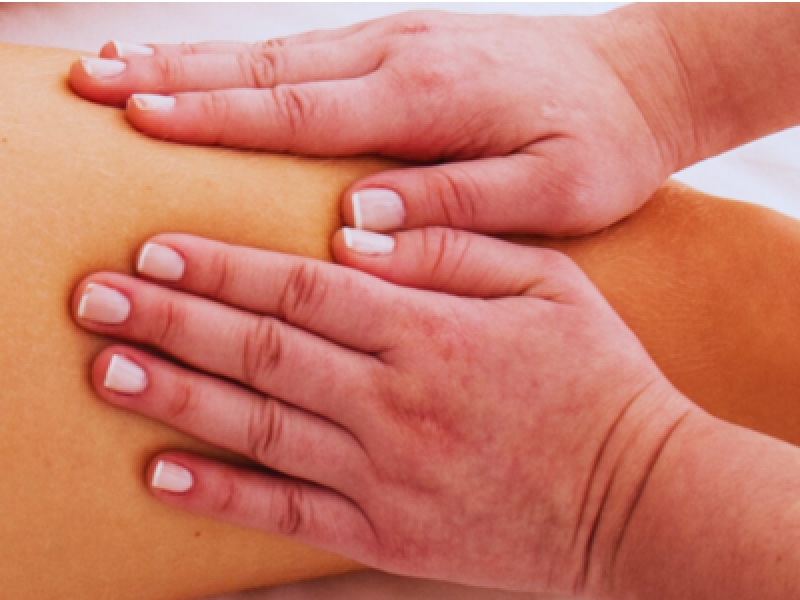
Learn safe, precise Manual Lymphatic Drainage techniques through practical professional training.
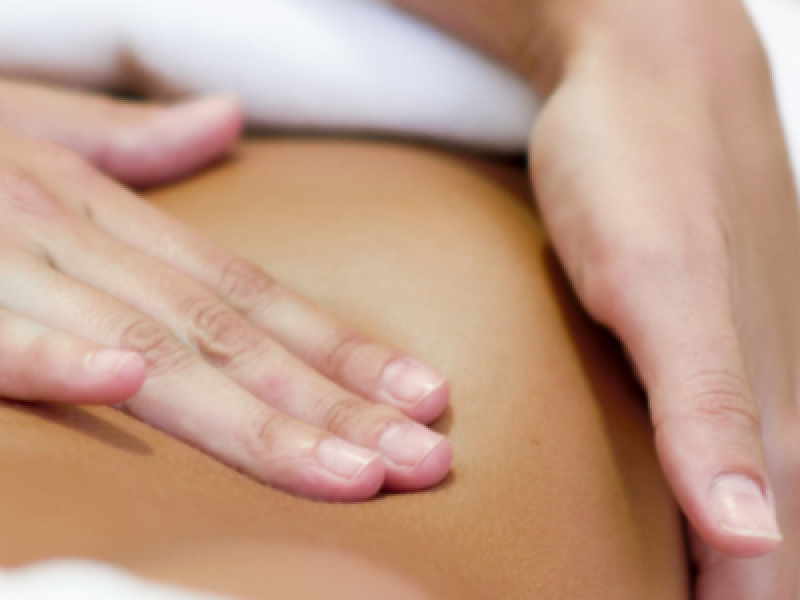
Master Brazilian Manual Lymphatic Drainage & Sculpting Techniques to Support Lymphatic Flow, Body Contouring and Client Wellbeing

Train in Maderotherapy and Colombian Wood Therapy through practical body sculpting massage training.


 Search...
 Introduction
 Course Overview & Study Options
 FAQ
FAQ
 Course Dates and Bookings