
The London School of Massage offers professional massage training and complementary therapy courses.
Contact us to learn more about our courses, events, and industry news.
The London School of Massage offers professional massage training and complementary therapy courses.
Contact us to learn more about our courses, events, and industry news.
The Table Thai Massage Course at London School of Massage teaches qualified therapists how to adapt traditional Thai Massage techniques for use on a professional massage table.
Students train in Thai-style acupressure, rhythmic compression, palm and thumb pressing, assisted stretching and controlled movement without needing to work on a floor mat.
The course is taught by a qualified practitioner who has trained in Chiang Mai and at Wat Po in Thailand, bringing authentic Thai Massage knowledge into a practical table-based format suitable for modern clinics, spas and treatment rooms.
Table Thai Massage is usually performed through comfortable clothing without massage oil. Techniques may be delivered as a structured treatment or incorporated into massage, sports massage, deep tissue and other bodywork sessions.
The course is suitable for:
Students must meet the published entry requirements to receive the accredited CPD certificate.
Training can help therapists:
London School of Massage has provided professional massage and complementary therapy training since 1994.
Students benefit from:
Learn more about the school on the London School of Massage history page.
This one-day Table Thai Massage course combines essential theory with supervised practical training.
Students learn how to position clients safely on a massage table and apply Thai-inspired pressure, compression, stretching and movement techniques using controlled bodyweight.
Training includes:
The course is delivered in person at a London School of Massage training venue.
Students normally work in pairs and take turns practising and receiving the techniques. This helps students understand pressure, positioning, movement and client comfort from both perspectives.
Massage couches and the principal classroom equipment are provided.
Table Thai Massage is normally performed:
Selected techniques may be combined with oil massage where appropriate. Professional draping must be used whenever clothing is removed.
The course develops the practical skills required to apply Thai Massage techniques safely and effectively on a massage table.
Students learn:
Training covers:
Students practise:
Training includes controlled techniques for the:
Students learn to adapt each stretch to the client’s mobility and comfort without forcing movement.
Students learn a structured routine incorporating:
The routine can be delivered as a complete Table Thai treatment or incorporated into shorter massage sessions.
Students learn:
This is a specialist CPD course for qualified therapists.
Students should hold one of the following:
The qualification should include suitable Anatomy, Physiology and Pathology training.
No. This course builds on existing massage, consultation, anatomy and contraindication knowledge.
Students without a recognised Level 3 qualification may only attend at the school’s discretion and would receive a Certificate of Attendance rather than an accredited CPD certificate.
Complete beginners should first consider the VTCT/ITEC Level 3 Diploma in Massage Course.
Students may be asked to provide evidence of their existing qualification.
Anyone uncertain about eligibility should send a copy of their qualification to London School of Massage before booking.
Table Thai Massage is an active form of bodywork.
Students should be able to:
Anyone with an injury, health condition or mobility restriction that may affect participation should contact the school before attending.
There are no formal written or external practical examinations.
Students are assessed continuously through:
Students receive practical feedback throughout the course.
An electronic accredited CPD certificate is issued when the tutor is satisfied that the student has demonstrated the required practical skills, professional conduct and safety awareness.
The course carries 7 CPD points.
Students who do not hold the required prerequisite qualification or meet the practical assessment standard may receive a Certificate of Attendance instead.
The course is accredited or approved by:
Further information is available on the London School of Massage Accreditations and Approvals page.
Students are responsible for confirming that their existing qualification and Table Thai Massage certificate meet the requirements of their chosen insurer, employer or professional association.
Further guidance is available on the massage therapist insurance page.
Qualified and appropriately insured therapists may use Table Thai Massage within:
Therapists may offer a dedicated Table Thai Massage treatment or integrate selected techniques into existing sessions.
The course can help therapists:
Therapists must continue to work within their qualifications, competence and insurance conditions.
Students wishing to gain a full traditional floor-based Thai Massage qualification can progress to the VTCT Level 3 Thai Massage Course.
Other relevant progression options include:
Students can also explore the complete range of massage courses for qualified therapists.
This course is designed for qualified massage therapists, Sports Massage Therapists, Thai Massage practitioners and eligible bodywork professionals who would like to add Thai-inspired acupressure, compression and assisted stretching to table-based treatments.
Students should hold a recognised Level 3 RQF qualification in Massage, Sports Massage or an accepted equivalent that includes suitable Anatomy, Physiology and Pathology training.
If you are unsure whether your qualification is suitable, you are very welcome to send London School of Massage a copy before booking.
No. This is a specialist CPD course that builds on existing massage skills, consultation knowledge, contraindications and safe professional practice.
Students without a recognised Level 3 qualification may only attend at the school’s discretion and would receive a Certificate of Attendance rather than the accredited CPD certificate.
Students who are new to massage should first consider the VTCT (ITEC) Level 3 Diploma in Massage Course.
You will learn how to adapt traditional Thai Massage techniques for use on a professional massage table.
Training includes:
The course is taught by a qualified practitioner who has trained in Chiang Mai and at Wat Po in Thailand.
Traditional Thai Massage is normally performed on a padded floor mat, while Table Thai Massage adapts Thai-inspired pressure, compression, movement and stretching techniques for use on a massage couch.
This makes Table Thai Massage easier to introduce within an existing clinic, spa or massage treatment room, particularly for therapists who already work mainly from a couch.
Students interested in gaining a full floor-based Thai Massage qualification may also consider the VTCT Level 3 Thai Massage Course.
There is no separate written examination or external practical examination.
You will be assessed continuously throughout the training day through supervised partner practice, tutor observation and individual feedback.
To complete the course successfully, students must demonstrate safe client positioning, controlled pressure, appropriate stretching, good body mechanics, awareness of contraindications and professional communication.
No. London School of Massage provides the professional massage couches, pillows, bolsters and main classroom equipment used during training.
Students normally work in pairs and take turns acting as both therapist and model, so you do not need to bring a separate model.
Classes are mixed-gender and professional conduct, consent, privacy and student dignity are maintained throughout the practical training.
London School of Massage provides the professional massage couches and main classroom equipment used during training.
Students should bring:
Please wear lightweight, comfortable clothing that allows you to move freely and take part in assisted stretching. As Table Thai Massage is usually performed through clothing, loose trousers or leggings and a comfortable top are recommended.
A complete course-specific list, including any additional items required, will be provided after enrolment.
Students who plan to offer Table Thai Massage professionally will also need access to a suitable massage couch, pillows or bolsters and standard treatment supplies.
Qualified therapists who successfully complete the course may integrate Table Thai Massage techniques into their existing massage, Sports Massage or bodywork practice where this falls within their qualifications, competence and professional scope.
Before offering the treatment commercially, students should confirm that Table Thai Massage is covered by their insurer. Further information is available on the Therapists Insurance page.
Therapists who would like to develop related stretching skills may also consider the Dynamic Assisted Stretching Course, Pa Khaw Ma Floor Thai Cloth Stretch Therapy Course or Pa Khaw Ma Table Thai Cloth Stretch Therapy Course.
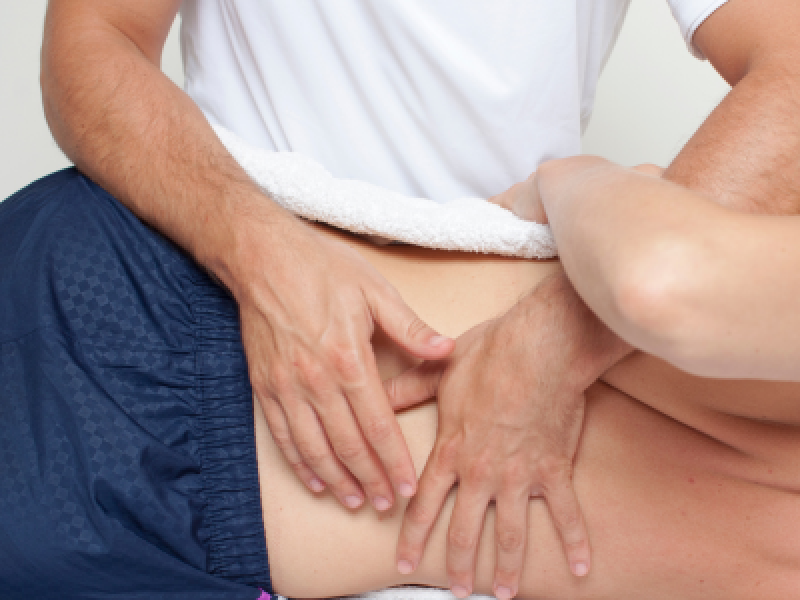
Develop safe spinal assessment, articulation and mobilisation skills through two days of supervised practical training.
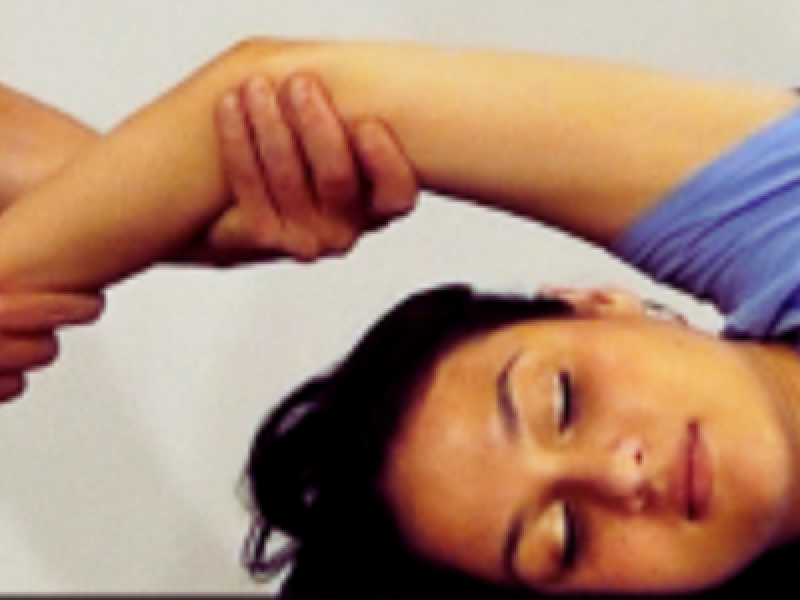
Learn a complete table-based Dynamic Assisted Stretching routine through professional hands-on training.


 Search...
 Introduction
 Course Overview & Study Options
 FAQ
FAQ
 Course Dates and Bookings