
The London School of Massage offers professional massage training and complementary therapy courses.
Contact us to learn more about our courses, events, and industry news.
The London School of Massage offers professional massage training and complementary therapy courses.
Contact us to learn more about our courses, events, and industry news.
The two-day Oncology Massage course at London School of Massage provides specialist practical training for qualified massage therapists, sports massage therapists and eligible bodywork practitioners.
Also known as Cancer Massage Therapy, Oncology Massage adapts pressure, positioning, treatment length and technique to support clients undergoing treatment, living with cancer, in remission or receiving palliative care.
Students learn how to provide gentle, comfort-focused treatments while considering fatigue, skin sensitivity, surgery, radiotherapy, chemotherapy, lymph-node removal, medical devices and individual client needs.
Training is delivered by experienced lecturers with professional knowledge of working with people affected by cancer. It combines tutor demonstrations, supervised practice, case-based learning and ongoing feedback.
| Course name | Oncology / Cancer Massage Course |
| Course type | Accredited specialist CPD course |
| Course duration | Two practical classroom training days |
| Suitable for | Qualified massage therapists, sports massage therapists and eligible bodywork practitioners |
| Entry qualification | Recognised Level 3 RQF qualification in Massage, Sports Massage or accepted equivalent |
| Training format | Face-to-face practical classroom training |
| Practical training | Adapted massage, positioning, bolstering, consultation and comfort-focused treatment planning |
| Theory training | Cancer awareness, common treatments, side effects, precautions and professional scope |
| Course materials | Electronic course materials and certificate |
| Assessment | Ongoing practical assessment and tutor feedback |
| Formal examination | No separate formal examination |
| Accreditation | CMA, BCMA and IGCT |
| CPD points | 14 CPD points |
| Professional use | Integration into an existing insured massage or wellbeing practice |
| Training location | London School of Massage, Caledonian Road near King’s Cross |
| Progression | Scar Therapy, Manual Lymphatic Drainage and Pregnancy and Postnatal Massage |
| Booking | Enrol through the Oncology Massage course page |
Oncology Massage is a gentle, adaptable approach designed around the client’s current health, treatment history, comfort and personal preferences.
Students train in:
The course is suitable for qualified:
Students without an eligible Level 3 qualification should first complete the VTCT (ITEC) Level 3 Diploma in Massage.
Qualified practitioners can also explore the school’s massage courses for qualified therapists.
The course helps therapists:
The course develops the knowledge and practical skills required to provide safe, supportive and individually adapted Cancer Massage treatments.
Students learn:
Training covers:
Students train in:
Students learn how to:
Students should hold a recognised Level 3 RQF qualification in:
The qualification should include Anatomy, Physiology and Pathology.
Applicants must also:
Students without an eligible qualification may attend with prior approval but may receive a certificate of attendance rather than the accredited practitioner certificate.
Anyone unsure about eligibility should contact London School of Massage before booking.
Students work as both therapist and model during the course.
Training includes gentle massage, supported positioning and practical adaptations. Techniques are adjusted to suit individual comfort, mobility and participation needs.
There is no separate formal examination.
Assessment takes place throughout both training days through:
Students receive practical correction and support throughout the course.
Successful students receive a London School of Massage Oncology / Cancer Massage CPD certificate.
The course is accredited by CMA, BCMA and IGCT and carries 14 CPD points. Further information is available on the Accreditations and Approvals page.
This is a specialist CPD course for practitioners who already hold an eligible professional qualification.
Students should obtain suitable professional therapist insurance before offering Oncology Massage commercially.
Qualified therapists may integrate Oncology Massage into an existing insured massage, complementary therapy or wellbeing practice.
The training may support work in:
Therapists may work independently or alongside established support services where suitable professional arrangements are in place.
Appropriately adapted Oncology Massage may support:
The emphasis is on comfort, individual choice and a treatment adapted to the client’s needs.
The course can help therapists:
Suitable complementary courses include:
This course is designed for qualified massage therapists, Sports Massage Therapists and eligible bodywork practitioners who would like to work more safely, confidently and compassionately with clients affected by cancer.
Students should hold a recognised Level 3 RQF qualification in Massage, Sports Massage or an accepted equivalent that includes Anatomy, Physiology and Pathology.
If you are unsure whether your qualification is suitable, you are very welcome to send London School of Massage a copy before booking.
No. This is a specialist CPD course that builds on existing massage skills, consultation knowledge and professional client care.
Students without an eligible Level 3 qualification may attend only with prior approval and may receive a Certificate of Attendance rather than the accredited practitioner certificate.
Students who are new to massage should first complete the VTCT (ITEC) Level 3 Diploma in Massage.
You will learn how to adapt massage safely and sensitively for clients who are undergoing cancer treatment, living with cancer, in remission or receiving palliative care.
Training includes:
The emphasis throughout the course is on comfort, dignity, informed choice and individually adapted care.
There is no separate written examination or external practical examination.
You will be assessed continuously throughout both training days through supervised practice, tutor observation and individual feedback.
To complete the course successfully, students must demonstrate safe consultation, appropriate treatment adaptation, suitable pressure and positioning, recognition of precautions, professional communication and compassionate client care.
No. London School of Massage provides the professional massage couches, bolsters and main classroom equipment used during training.
Students normally work in pairs and take turns acting as both therapist and model, so you do not need to bring a separate model.
All techniques are adapted to individual comfort, mobility and participation needs.
London School of Massage provides the professional massage couches and main classroom equipment used during training.
Students should bring:
Please wear comfortable clothing that allows you to move freely and take part in the practical sessions.
A full course-specific list, including any additional items required, will be provided after enrolment.
Students who plan to offer Oncology Massage professionally will also need access to a suitable massage couch, supportive positioning equipment, linens and appropriate treatment supplies.
Qualified therapists who successfully complete the course may integrate Oncology Massage into their existing massage, complementary therapy or wellbeing practice where this falls within their underlying qualification, competence and professional scope.
Before offering Oncology Massage commercially, you should confirm that it is covered by your insurer. Further information is available on the Therapists Insurance page.
Therapists who would like to continue developing relevant specialist skills may also consider the Scar Therapy Massage Course, Manual Lymphatic Drainage Massage Course or Advanced Therapeutic Massage Diploma Course.
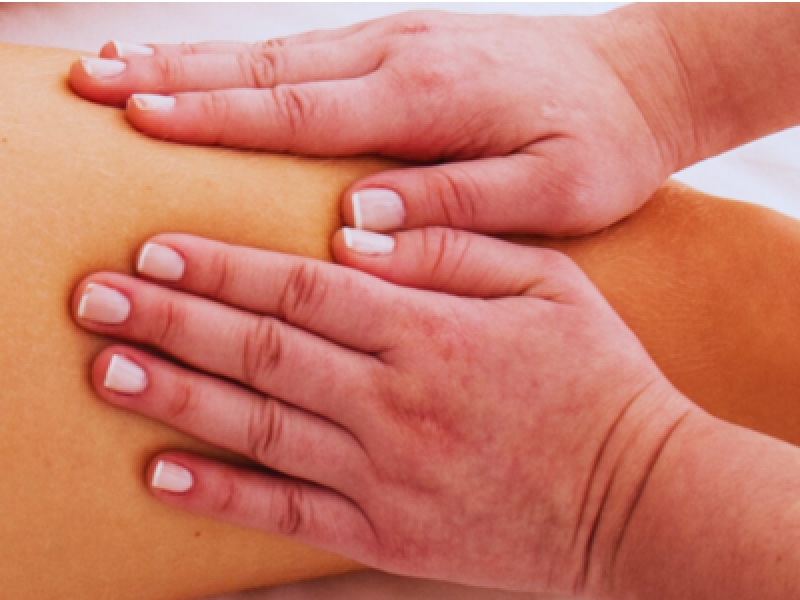
Learn safe, precise Manual Lymphatic Drainage techniques through practical professional training.

Learn a complete clothed chair massage routine for workplaces, events and corporate wellbeing settings.


 Search...
 Introduction
 Course Overview & Study Options
 FAQ
FAQ
 Course Dates and Bookings