
The London School of Massage offers professional massage training and complementary therapy courses.
Contact us to learn more about our courses, events, and industry news.
The London School of Massage offers professional massage training and complementary therapy courses.
Contact us to learn more about our courses, events, and industry news.
Train professionally in Indian Head Massage with the London School of Massage and work towards the recognised:
Qualification Number: 603/4070/8
This course is suitable for complete beginners and existing therapists. No previous massage or Anatomy & Physiology qualification is required.
Indian Head Massage is traditionally performed with the client seated and focuses on the upper back, shoulders, neck, scalp, head and face.
Your training combines guided home study, live online theory and practical hands-on tuition in London. Techniques are taught through tutor demonstrations, supervised practice and individual feedback, helping you develop a structured professional treatment routine.
You will also study relevant anatomy and physiology, contraindications, consultation, client care, traditional principles and the appropriate use of Indian hair oils.
If you are new to the industry, explore our Massage Courses for Beginners. Existing practitioners can view our wider range of Massage Courses for Qualified Therapists.
This course may be suitable if you want to:
Students wanting a broader full-body massage qualification may prefer our VTCT (ITEC) Level 3 Diploma in Massage.
London School of Massage has provided professional massage and complementary therapy training since 1994.
Students benefit from:
Learn more about our teaching standards on our Why Train With Us page and view our professional approvals on our Accreditation page.
Massage to a Higher Level.
This quick guide summarises the main course and qualification information.
| Course name | VTCT (ITEC) Level 3 Award in Indian Head Massage |
| Qualification level | Level 3 RQF |
| Qualification type | Ofqual-regulated professional qualification |
| Awarding organisation | VTCT Skills under the ITEC brand |
| Qualification number | 603/4070/8 |
| Suitable for | Beginners and qualified therapists |
| Study format | Blended learning |
| Theory training | Guided study and live online teaching |
| Practical training | In-person Indian Head Massage training |
| Treatment areas | Upper back, shoulders, neck, scalp and face |
| Treatment position | Client seated |
| Coursework | Four treatments across two clients |
| Assessments | Online theory examination and in-person practical examination |
| Training location | London School of Massage, Caledonian Road near King’s Cross |
| Insurance eligibility | Graduates may apply for professional therapist insurance once qualified |
| Progression | Massage, Aromatherapy, Reflexology, Chair Massage and related training |
Study relevant:
Attend practical classes in London where techniques are demonstrated and practised under supervision.
Training develops:
Continue practising outside class and complete the required recorded treatments and supporting documentation.
Complete the required coursework, treatment evidence and final theory and practical assessments.
Attendance alone does not result in the qualification.
Theory can be studied effectively through online and guided learning, while massage techniques require hands-on teaching and feedback.
Practical classes therefore include:
The course includes:
You will learn how to perform a complete, structured Indian Head Massage treatment while developing the theoretical knowledge required for safe professional practice.
Training focuses on the:
You will learn:
Techniques are taught through demonstration, supervised practice and tutor feedback.
Relevant study includes:
This knowledge helps you understand the areas being treated and recognise when treatment may need to be adapted or avoided.
You will learn how to:
Indian Head Massage has historical links with traditional Indian wellbeing practices.
Students are introduced to relevant traditional concepts, including the chakra system, alongside the safe and appropriate use of Indian hair oils.
You will consider:
Indian Head Massage can also be performed without oil.
Students particularly interested in oils may later consider our VTCT Level 3 Aromatherapy Course.
This course is open to complete beginners and qualified therapists.
You do not need a previous qualification in:
Students should:
If you are completely new to professional massage training, you may also wish to compare our other Massage Courses for Beginners.
Students normally practise techniques with other members of the class.
Professional standards relating to:
must be maintained throughout the course.
If you have a health condition, injury, disability, pregnancy or another circumstance that may affect practical participation, please contact London School of Massage before enrolling.
Qualified therapists are welcome to enrol and may use Indian Head Massage to expand their existing treatment range.
For further specialist training, view our Massage Courses for Qualified Therapists.
To gain the VTCT (ITEC) Level 3 Award in Indian Head Massage, students must successfully complete:
Students complete:
This consists of:
The required consultation, treatment and evaluation documentation must also be completed.
The theory assessment covers the knowledge required for the qualification, including relevant:
Students demonstrate a complete professional Indian Head Massage treatment, including:
Students are normally required to provide a suitable adult model aged 18 or over for the practical examination.
On successful completion, students receive the:
Qualification Number: 603/4070/8
You can find further information about our awarding and professional organisations on the London School of Massage Accreditation page.
Once qualified and appropriately insured, Indian Head Massage may be offered as a standalone treatment or alongside other massage, beauty or complementary therapies.
Potential working environments include:
The seated format can make Indian Head Massage particularly adaptable to different treatment settings.
Students wishing to expand into professional full-body massage can progress to our:
VTCT (ITEC) Level 3 Diploma in Massage
This also provides access to a wider range of specialist massage CPD courses.
Develop massage skills alongside the professional use of essential oils with our:
VTCT Level 3 Aromatherapy Course
Explore another established complementary therapy through our:
VTCT (ITEC) Level 3 Reflexology Course
Students interested in facial techniques may consider our:
Natural Face Lift Massage Course
Qualified therapists interested in corporate or workplace treatments may later consider our:
Individual entry requirements apply to progression courses.
Yes. This course is open to complete beginners as well as qualified massage, beauty and complementary therapists. No previous massage, Anatomy and Physiology or complementary therapy qualification is required.
The course includes the essential theory and practical skills needed to learn Indian Head Massage safely and work towards a recognised professional qualification.
After successfully completing the coursework, treatment evidence and final assessments, students receive the VTCT (ITEC) Level 3 Award in Indian Head Massage, qualification number 603/4070/8.
This is an Ofqual-regulated qualification awarded by VTCT Skills under the ITEC brand.
Students learn a complete seated Indian Head Massage routine covering the upper back, shoulders, neck, scalp and face.
The course also includes consultation, contraindications, treatment planning, relevant Anatomy and Physiology, traditional Indian hair oils, client positioning, therapist posture, aftercare and professional practice.
No. You do not need to hold a separate Anatomy and Physiology qualification before joining.
The course includes the relevant anatomy, physiology and pathology of the head, face, neck, shoulders, upper back, skin, muscles, nerves, blood supply and lymphatic system.
The course is delivered through blended learning. Students complete guided home study and live online theory tuition before attending face-to-face practical training at London School of Massage.
Practical sessions include tutor demonstrations, supervised pair work, individual feedback and plenty of time to develop a smooth and confident treatment routine.
Assessment includes an online theory examination, an in-person practical examination, four recorded treatments and the required consultation and treatment records.
The theory examination includes 15 multiple-choice questions. During the practical examination, students perform an approximately 30-minute Indian Head Massage treatment for an external ITEC examiner.
Yes. Students complete four documented Indian Head Massage treatments outside the classroom.
This involves treating two suitable adult clients twice each. London School of Massage provides the consultation forms, treatment records and guidance needed to complete the work correctly.
You do not need to bring a massage couch. Indian Head Massage is normally performed with the client seated and London School of Massage provides the equipment required for practical classroom training.
Students usually work in pairs during classes and take turns practising and receiving treatment. You will, however, need to arrange suitable adult clients for your treatment evidence and bring your own suitable adult model on the day of the practical examination.
Yes. Classes are open to all genders and students normally work together in pairs during practical training.
Indian Head Massage is generally performed with the client seated and clothed. Access may sometimes be required to the shoulders, upper back, neck or scalp but professional conduct, consent, privacy and student dignity are maintained throughout.
Yes. Once you have successfully completed the qualification and received your certificate, you can normally apply for appropriate professional insurance and offer Indian Head Massage within your professional scope.
Indian Head Massage may be offered as a standalone treatment or added to an existing massage, beauty or complementary therapy practice. It is particularly suitable for mobile work, salons, spas, clinics, hotels, wellness settings and workplace wellbeing because it does not normally require a massage couch.
Course Dates:
Part 1) 11th November (Online Zoom, 9:30am - 5:00pm approx)
Part 2) 12 - 13th November (Kings Cross, 9:30am - 5:00pm approx)
Exams: TBC
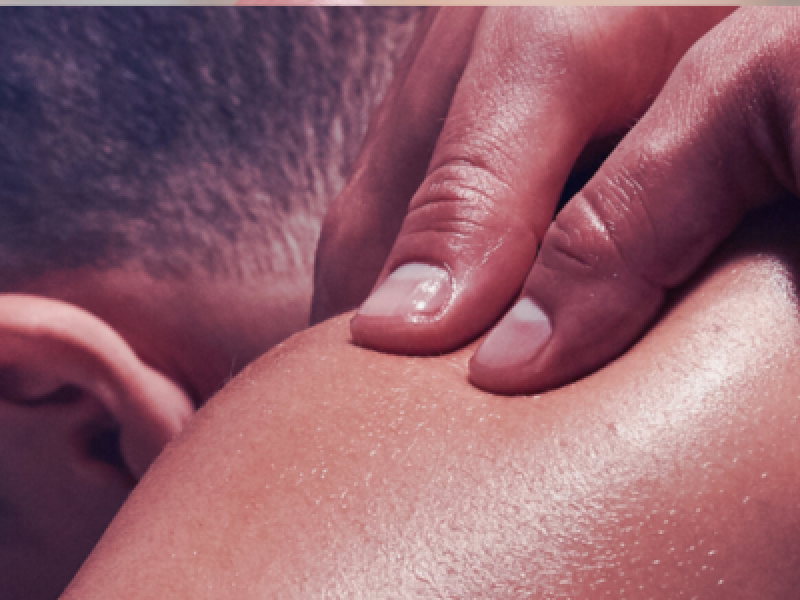
VTCT (ITEC) Level 3 Diploma in Sports Massage Therapy
Complete professional Aromatherapy training for students with no previous massage or complementary therapy qualification.
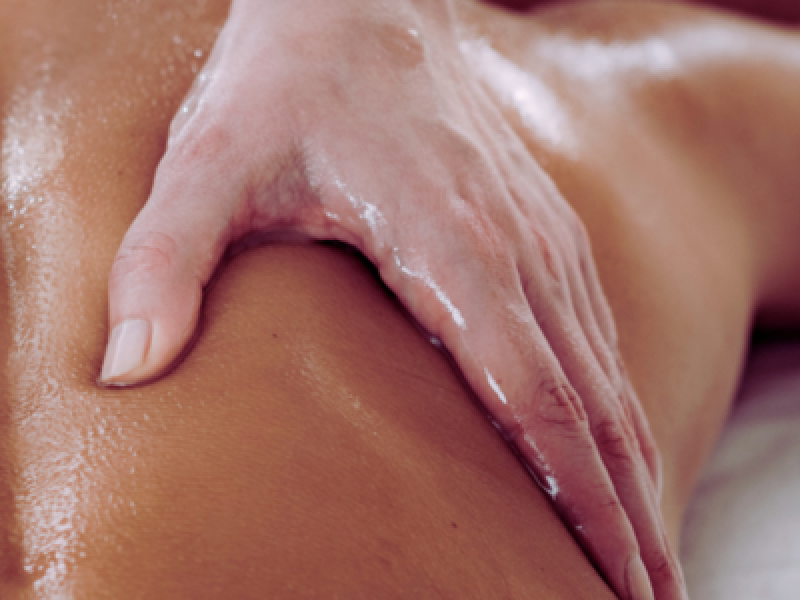
Train from Beginner to Qualified Massage Therapist with a Recognised VTCT (ITEC) Level 3 Diploma in Massage

Learn a complete clothed chair massage routine for workplaces, events and corporate wellbeing settings.


 Search...
 Introduction
 Course Overview & Study Options
 FAQ
FAQ
 Course Dates and Bookings
